Trick or Treat: A Designer’s Review for Real Embroidery Projects
When a design like “Trick or Treat” lands on your desktop, you’re not just looking at a graphic. You’re evaluating a potential project. Your mind immediately starts picturing it stitched out, assessing its personality, and deciding where it belongs in the real world of fabrics and threads. Let’s walk through that process together.
The First Impression: More Than Just Halloween Font
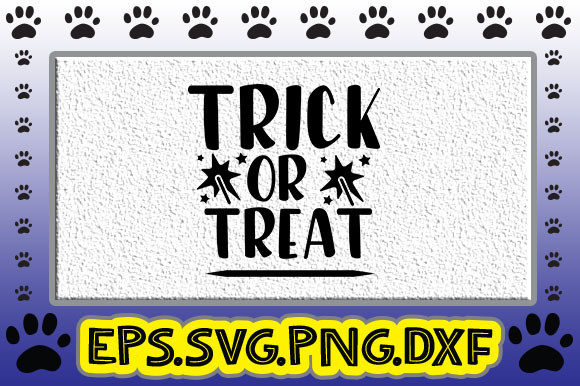
This design isn’t a simple, spooky script. It’s a dog-themed typography piece, which immediately sets a specific mood. It feels playful, friendly, and perfectly themed for pet lovers and Halloween enthusiasts alike. The layout suggests a decorative element—it’s not just text to be read, but a graphic to be enjoyed. The personality is whimsical and approachable, making it ideal for projects where you want to convey a sense of fun and warmth, not just seasonal spookiness. It naturally belongs to personalized gifts, boutique pet products, and holiday-themed handmade items.
Where This Design Finds Its Home
Imagine you’re preparing a custom embroidered tote bag for a client who is a dog owner. They want something unique for Halloween, not generic. This design jumps out as a perfect candidate. It would stitch beautifully onto a cotton canvas tote, becoming a standout accessory. Similarly, think about a cozy sweatshirt for a pet-loving family. The playful typography would translate into a cheerful, conversation-starting chest design. It’s equally suited for baby items—like a lightweight hoodie with a small, sweet version on the pocket—or as an embroidered patch that could be applied to a jacket or backpack. For small business owners, this becomes excellent merchandise: aprons for dog-themed cafes, pillow covers for boutique home decor, or kitchen towels as seasonal gifts.
Performance in Real Embroidery Situations
The key question is how it performs when the needle hits the fabric. The provided file formats—SVG, PNG, DXF, EPS—are crucial for flexibility. They allow you to adapt the machine embroidery design for different machines and techniques, whether for direct stitching or creating an applique design. On a sturdy fabric like a tote bag or a tea towel, the satin stitches and fill stitches for the letters and dog elements should hold up beautifully, offering clear visual appeal. On a baby blanket or nursery decor item, the friendly theme increases the product’s giftability and perceived value.
For commercial embroidery projects or Etsy listings, this design acts as a strong, themed asset. It can create consistent branding for a seasonal line in a craft business. When used in printable mockups for digital product sellers, it helps buyers visualize the final embroidered product, building customer trust. The handmade presentation feels professional and intentional when the design is well-executed.
Careful Application: Areas for Extra Attention
Not every project is ideal. The design’s detail level requires thoughtful placement. On small hoop sizes, the tiny lettering and decorative accents might lose clarity. You’d want to avoid using it on highly textured or very thin fabrics where the stitch density could cause puckering or where fine details might get lost.
Stretchy fabrics like t-shirts need proper stabilizer and possibly a reduction in size to maintain integrity after washing. Embroidering on curved surfaces like caps requires careful digitizing adjustment to ensure the design contours correctly. Dark fabric backgrounds demand high-contrast thread colors to keep the design vibrant. Always test the design on scrap fabric first, especially checking those small details and the overall stitch density. Compare how it looks in black and white mockups and on both light and dark backgrounds before committing to a client’s garment.
The Impact on Your Work and Your Customer
Using a design like this effectively boosts your project’s professionalism. For an apparel decorator, it offers a ready-made, themed solution that feels custom. For the end customer—whether receiving a personalized gift or buying small shop merchandise—the recognition of a clever, pet-and-Halloween combo creates immediate engagement. It feels specific and thoughtful, not mass-produced.
This directly affects the product’s value. A well-embroidered “Trick or Treat” design on a high-quality sweatshirt becomes a sought-after seasonal item. It enhances brand consistency for a maker focusing on pet-related crafts. For creative entrepreneurs, it’s a digital embroidery file that can be deployed across multiple products—from patches to pillow covers—streamlining production.
Practical Notes from the Hoop
Before you stitch, here are my grounded recommendations. Always inspect the design files at full scale to understand the complexity. Check thread color contrast against your intended fabric; a bright orange on black might need adjustment. Review the stitch density in your software—some areas might be denser than others, affecting the finish on lighter fabrics.
Confirm your intended hoop size can accommodate the design without compromising the smallest elements. Use the proper stabilizer for your chosen fabric; a tear-away for sturdy totes, a cut-away for stretchy sweatshirts. Crucially, check the licensing terms provided with the files. Ensure you understand whether it’s cleared for both personal and commercial projects before selling finished items or incorporating it into your digital product offerings. If exact stitch counts or machine compatibility specifics aren’t provided in the product description, it’s wise to verify those through testing or with the seller.
Final Thoughts: A Design with Character
“Trick or Treat” stands out as a graphics piece with inherent character. It’s not a neutral design; it brings a mood and a story. That’s its strength. In the right embroidery project—a custom apron for a Halloween party host, a festive baby item, or a boutique’s holiday product line—it sings. It requires a mindful approach to stitching, respecting its details and choosing the right fabric canvas. But when matched well, it results in a finished product that feels delightfully specific, professionally made, and joyfully seasonal. For the embroidery designer looking for a theme that works beyond a simple logo, this offers a playful, practical path to a great project.