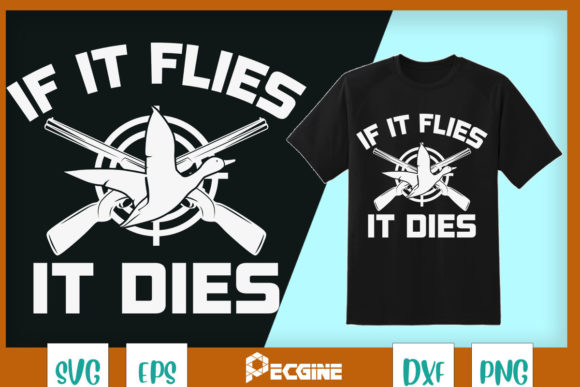
Funny Duck Hunting Graphics as T-Shirt Designs and Beyond
First Impressions: Where Does This Asset Fit?
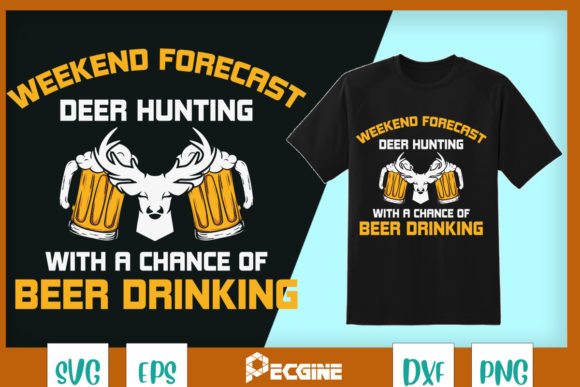
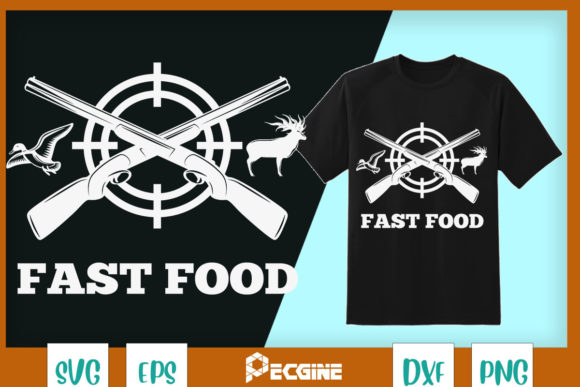
When a client asks for a design that’s playful, approachable, and a little quirky, the Funny Duck Hunting Waterfowl graphic immediately comes to mind. My first impression is one of lighthearted charm. This isn't a stern, realistic illustration; it’s a stylized, almost cartoonish character that brings a smile. It inherently creates a mood of fun and niche enthusiasm, fitting perfectly for projects targeting a community—think outdoor enthusiasts, hunters with a sense of humor, or local event organizers wanting a friendly vibe.
The Style and Its Natural Client Projects
The style leans towards modern clipart with a handmade feel. It represents an illustrative, decorative style rather than a minimalist logo. This makes it a natural fit for a handmade business, a boutique product line for a craft brewery or outdoor apparel shop, or seasonal campaign materials for a community fundraiser. Imagine an Etsy shop selling duck-hunting-themed mugs or a small business launching a line of branded merchandise for a lodge. Here, the Funny Duck Hunting Waterfowl acts as a central, engaging character rather than a subtle accent.
Where This T-Shirt Design Excels in Real Applications
Given its origin as a t-shirt design graphic, it naturally shines on merchandise. It’s ideal for t-shirt design, mugs, tote bags, and stickers where the graphic can be the hero. Beyond apparel, it works beautifully as a large-scale element in posters, flyers, or event invitations where you need immediate visual appeal. For a print-on-demand seller or a Cricut project creator, the included file formats—SVG, PNG, DXF, EPS—mean it’s ready for cutting machines and digital editors without extra conversion work.
In social media graphics, particularly for Instagram posts or Pinterest pins promoting a themed product launch, it can serve as a strong, recognizable focal point. For packaging design on a small batch product, like a specialty sauce or coffee, it could be an effective decorative accent on a label, adding personality. In website graphics or blog visuals for a related niche, it injects a specific thematic energy that text alone cannot.
Careful Application: When to Use With Caution
This asset should be used carefully in contexts demanding very clean visual hierarchy or a professional corporate tone. It’s not suited for minimalist branding where every element must be precise and scalable. In crowded layouts with lots of text or other complex graphics, its detailed, character-based form might compete and reduce readability.
At very small sizes—think as a tiny icon on a website footer or a small detail on a business card—the intricacies could become lost or muddy. Placing it on complex, low-contrast backgrounds would also diminish its impact and could harm the overall professionalism of the design. For projects requiring strict brand consistency across very formal materials, this graphic might feel too niche and playful.
Impact on Brand Perception and Audience Engagement
Using Funny Duck Hunting Waterfowl strategically affects several key design outcomes. Its strong emotional appeal—humor and familiarity—can boost audience engagement for the right niche. It aids in quick visual recognition for a campaign or product line. However, for broader audiences unfamiliar with the theme, it might not convey immediate trust or authority; its strength is in community connection.
When integrated well, it can make a final design feel more polished and complete by providing a ready-made, high-quality illustration that a designer might not have time to create from scratch. This supports the overall impression of a thoughtful, well-produced project for a small business branding effort.
Practical Designer Notes Before Client Use
Before committing this asset to a real client project, run a few essential tests. First, preview it in black and white to ensure it retains its form without color dependency. Check its contrast on both light and dark backgrounds—the PNG file with transparency should be inspected for clean edges. Preview it at both small and large sizes to see where details break down.
Place it on real product mockups—a t-shirt, a mug, a poster template—to judge its scale and placement. If possible, test a print sample to check for color fidelity and crispness. The provided SVG and EPS files are crucial for vector editability; open them to confirm you can easily adjust colors or separate elements if needed for the client’s brand identity.
Compare it alongside different font styles. How does it pair with a bold sans-serif for a modern look? Or a rustic script font for a handmade feel? This informs your visual hierarchy decisions. Finally, and most importantly, confirm the commercial licensing terms. Never assume; verify that this digital product is cleared for use in your client’s commercial designs, whether for marketing visuals, packaging, or printable products.
Concluding Thoughts on This Creative Asset
The Funny Duck Hunting Waterfowl graphic is a specialized but valuable design asset. It won’t fit every project, but for the right client—one needing a friendly, thematic, and illustrative centerpiece—it can accelerate the design process and elevate the final creative output. As a professional reviewing it for real work, I see its utility in crafting cohesive, engaging visuals for niche markets, events, and merchandise-driven businesses. It’s a tool that, when applied with the practical considerations outlined above, can turn a simple concept into a polished, commercially viable design.