Flower Zentangle: A Designer's Review for Real Embroidery Projects
Every time a new design lands on my desktop, I look at it not just as a graphic, but as a potential finished product. I imagine the thread, the fabric, the final piece in a customer’s hands. So when I opened Flower Zentangle, my first thought wasn't about the file format, but about the mood it would create once stitched. This isn’t just a digital asset; it’s a blueprint for a tactile, handmade experience.
The Quiet Charm of a Zentangle Flower
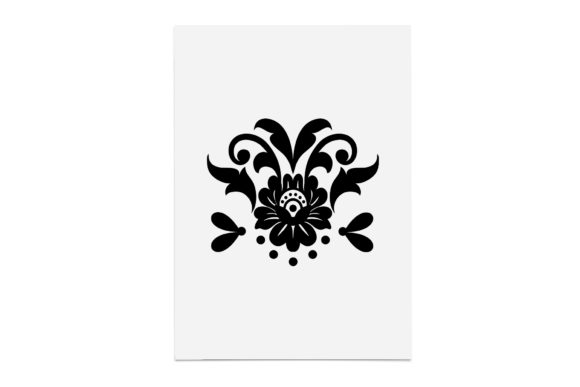
The name tells you exactly what you get: a flower, rendered in the intricate, meandering lines of a zentangle pattern. The immediate impression is one of calm, detailed artistry. It’s decorative without being loud, intricate without feeling chaotic. This visual personality—contemplative and hand-drawn—makes it feel inherently crafted. It doesn’t scream for attention; it invites closer look. For an embroidery project, that’s a powerful starting point. It promises a finished piece that feels personal and considered, not mass-produced.
Where This Design Naturally Belongs
I pictured it on a linen tote bag first. The organic, detailed lines of the Flower Zentangle would complement the natural texture of the fabric beautifully. But my mental catalog quickly expanded. This design has a versatile soul. It would be a stunning, subtle centerpiece on a cozy sweatshirt or a delicate accent on a baby’s blanket. As a decorative patch on a denim jacket, it would add unique character. For home decor, imagine it on a pillow cover or a kitchen towel—it brings a sense of quiet artistry to everyday objects.
For small business owners and Etsy sellers, this opens up a range of product possibilities. A single, well-executed embroidery file can become multiple products: personalized gifts, boutique baby items, sophisticated aprons, or elegant caps. The key is matching the design’s mood to the product’s purpose. A zen-themed flower feels perfect for mindfulness products, wedding gifts, or nursery decor where you want a gentle, artistic touch.
Thinking Through the Stitch
As a designer who has to translate digital files into physical stitches, I automatically assess practical performance. The black and white base of Flower Zentangle is a practical advantage. It gives you complete control over thread color contrast. On a light fabric, a single dark thread color could make those intricate lines pop beautifully. On dark fabric, switching to a bright, contrasting thread would create a dramatic effect.
However, the intricate detail is where your attention needs to go. Zentangle patterns are all about the line work. In embroidery, this means paying close attention to stitch density and the clarity of small details. On very textured fabrics or stretchy materials, those fine lines might lose definition if your stabilizer choice and hoop technique aren’t spot-on. For a project like a cap with a curved surface, you’d need to be especially mindful to keep the design’s integrity.
Scenarios That Demand a Careful Approach
Let’s walk through a real case. I’m preparing a custom embroidered baby sweater as a holiday gift. I choose Flower Zentangle because it’s sweet but not cartoonish. My concerns immediately turn practical. The sweater fabric is likely soft and maybe a bit stretchy. The design’s detailed corners and dense stitch areas in the flower’s center need to hold up through gentle washing. My process would be:
- Testing on a scrap of similar fabric first.
- Checking that my chosen thread color has enough contrast against the pastel fabric.
- Reviewing the stitch path to ensure small, closed loops are clear and won’t bunch up.
- Confirming my hoop size can accommodate the full design without distortion.
This same careful approach applies to any product needing frequent washing, like kitchen towels or aprons, or items made from thin fabrics where dense embroidery could cause puckering. The beauty of the design is worth protecting with good technique.
The Impact on Your Product's Appeal and Value
When you stitch Flower Zentangle well, it does more than decorate a surface. It elevates the product’s perceived value. The handmade presentation feels intentional and skilled. For a creative entrepreneur, this builds customer trust—it shows you understand design cohesion and quality execution. It makes a sweatshirt feel like a boutique item, not just apparel. It turns a simple tote into a giftable artisan product.
For commercial embroidery projects or digital product sellers using the file for printable mockups, this design offers a clean, recognizable graphic that communicates “handmade” and “detailed” instantly. That visual clarity in mockups can directly boost buyer engagement in your Etsy listings or small shop portfolio.
Essential Designer Notes Before You Hoop
My final review always includes a checklist of action items. For this Flower Zentangle embroidery design, here’s what I’d do before committing it to a client project or my own merchandise:
- Run a test on both light and dark scrap fabric to see the contrast effect.
- Inspect the small details in the test piece—are all lines distinct?
- Use a proper stabilizer for the final fabric type to preserve detail.
- If selling the finished physical item, confirm the licensing terms for the digital file regarding commercial use.
- Consider color schemes. The black and white base is flexible, but thread choice defines the final mood. A monochromatic scheme could be modern; a pop of color could be playful.
Remember, a great embroidery file like this is a powerful starting point, but your skill and preparation turn it into a finished product that truly resonates. Whether you’re making a one-off personalized gift or batch-producing embroidered patches for your craft business, Flower Zentangle offers that unique blend of artistic detail and adaptable form that makes embroidery so rewarding. It’s a design that feels ready to be stitched into something real.