Sublimation Pastel Leopard: A Designer's Review
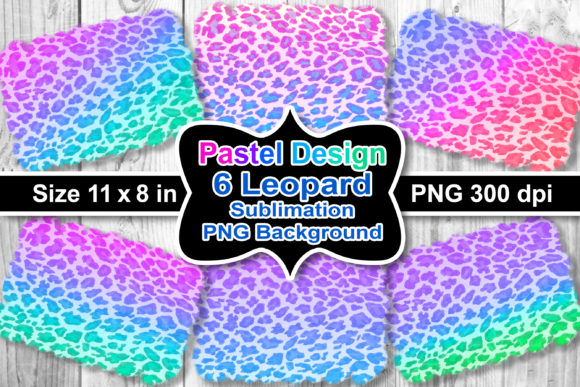
I’m looking at the Sublimation Pastel Leopard Background Se design, and my first thought is that it’s a fascinating departure from the typical leopard print. This isn’t the bold, aggressive pattern you often see; it’s softer, more whimsical, and carries a hologram-style gradient that feels contemporary and dreamy. As a designer who evaluates embroidery files for real project use, my immediate impression is that this design creates a mood of gentle sophistication. It has a visual personality that’s playful yet refined, making it a perfect candidate for projects targeting a modern, softer aesthetic.
The Mood and Where It Belongs
The pastel color palette and gradient effect shift this leopard print from a statement of raw power to one of quiet confidence. The layout and detail level suggest it’s not meant for tiny, cramped spaces. This design wants to be the centerpiece. It naturally belongs on larger, flat surfaces where the gradient can truly shine. I’m picturing it on a custom embroidered tote bag for a boutique, a statement sweatshirt for a creative entrepreneur, or as a focal point on a nursery decor pillow cover. It feels like it would resonate with customers looking for something unique—a print that’s recognizable as leopard, but transformed into something uniquely giftable and stylish.
Performance in Real-World Projects
Let’s walk through a real scenario. Imagine I’m preparing a custom embroidered tote bag for a small shop’s spring merchandise line. Using this Sublimation Pastel Leopard Background Se as an embroidery design, the key consideration becomes stitch clarity. The gradient colors are beautiful, but in machine embroidery, translating those smooth color shifts into thread requires careful planning. On a tote bag’s often textured fabric, the fill stitch areas representing the gradient would need a thoughtful thread color selection to maintain that soft, hologram-style effect without becoming muddy.
For apparel like sweatshirts or t-shirts, this design could become a standout feature. Its size and detail mean it would perform best on a larger hoop size, ensuring the leopard spots and gradient transitions aren’t compressed. On baby clothes or blankets, it offers a chic, modern alternative to traditional motifs. As an embroidered patch, it could be incredibly versatile for caps, aprons, or pillow covers, but the density of the pattern would require a robust stabilizer to keep the fabric from puckering, especially on curved surfaces like caps.
Where to Exercise Caution
This design should be used carefully on certain projects. Small hoop sizes would compress its details, losing the gradient’s impact. Textured or stretchy fabrics, like some knit sweaters, could distort the fill stitch areas. On dark fabric backgrounds, the pastel thread colors might lack the necessary contrast, requiring a possible adjustment in thread choices or the addition of a lighter base fabric layer. For products that need frequent washing, like kitchen towels or some baby items, the potential stitch density in the leopard spots means you must use high-quality thread and proper stabilization to ensure longevity.
Impact on Appeal and Business Value
From a business perspective, this Sublimation Pastel Leopard Background Se design affects several key areas. Its visual appeal is high—it’s eye-catching and different, which can enhance product value and buyer engagement in an Etsy listing or at a craft fair. For a handmade presentation, it offers a design that feels bespoke and contemporary, aiding brand consistency for a shop with a modern, soft aesthetic. Its giftability is strong; it feels perfect for personalized gifts like wedding party favors or boutique holiday gifts. However, stitching clarity is paramount. If the gradient isn’t executed cleanly, it could impact customer trust and the perceived professionalism of the finished product.
Practical Notes for Embroidery Designers
Before running this machine embroidery design on a client project, here are my practical notes. Always test it on scrap fabric first—the same fabric you plan to use for the final product. Check thread color contrast meticulously; you may need to select a slightly different pastel thread palette than the digital file suggests to achieve the desired hologram-style effect in stitches. Review the stitch density in your software preview; a dense fill stitch area in the spots might require adjustments for thinner fabrics.
Confirm your hoop size can accommodate the full design without compression. Inspect the small details, like the edges of the spots, to ensure they’ll translate well into satin stitch or running stitch borders. It’s also wise to test the design in black and white mockups to evaluate the form separately from the color, and compare how it looks on both light and dark fabric backgrounds digitally before committing thread.
Use a proper stabilizer suited to your fabric—this is not a design to skimp on support. Crucially, check whether the design’s licensing permits use for both personal and commercial projects. The product description mentions it’s perfect for DIY projects and personalized items, but as a digital embroidery file intended for craft business use, you must confirm the licensing terms before selling finished items like embroidered patches or sweatshirts. Do not assume commercial use is allowed unless explicitly stated.
A Final, Realistic Assessment
The Sublimation Pastel Leopard Background Se is a compelling graphics asset for embroidery designers and makers. It brings a fresh mood to a classic pattern, opening doors for creative projects in custom apparel, handmade gifts, and small shop merchandise. Its success in an embroidery project, however, hinges on the designer’s technical preparation. It’s not a “one-click” design; it’s a file that invites you to think deeply about thread, fabric, and application to ensure that beautiful pastel gradient leaps from the screen into a stunning, stitch-perfect finished product.